Emergency AC Repair: Warning Signs, Causes, and How to Respond Fast
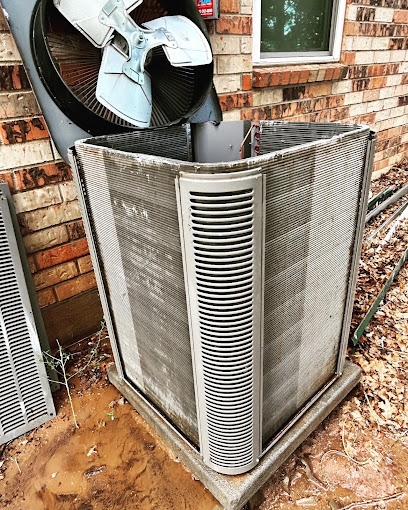
Let's be honest — nobody thinks about their AC until it stops working. And in Benbrook, TX, where summer temps love to hang out in the high 90s (or worse), a broken AC isn't just annoying, it's a real problem. The good news? Most AC emergencies don't just happen out of nowhere. There are usually warning signs your unit gives off way before it actually quits on you. If you know what to look for, you can catch the issue early, save yourself some money, and avoid sweating it out in a hot house.
At Flying 3 Air Conditioning, we've seen just about every AC emergency Benbrook summers can throw at us. So we put together this guide to walk you through the signs that matter, what's usually causing them, and what you should (and shouldn't) do when your system starts acting up.
The Importance of Emergency AC Repair Services
When your AC goes out in the middle of a Texas heatwave, it's not just about comfort — it's about safety too. Extreme heat can lead to real health risks, especially for kids, older folks, and pets. On top of that, a struggling AC unit tends to make small problems worse the longer it runs without help. Getting emergency repair sorted quickly means less downtime, lower risk of further damage, and a much cooler house while you wait it out.
Common AC Problems That Require Emergency Repairs
There are a handful of issues that pop up again and again when it comes to AC emergencies. Here's what to keep an eye on:
AC Not Cooling Properly
If your unit's running but the air isn't actually cold, something's off. This usually points to a refrigerant leak or a compressor that's starting to fail. It rarely happens overnight — it builds up slowly, so a lot of homeowners don't notice until the cooling's basically gone.
AC Leaking Water
Seeing water pooling around your indoor unit? That's usually a clogged drain line or a frozen coil. Left alone, this can turn into floor damage, wall stains, or even electrical issues nearby — none of which are cheap fixes.
AC Compressor Failure
Think of the compressor as the heart of your system. When it starts failing, you'll usually hear it before you see it — grinding noises, short cycling, or the unit shutting down completely.
AC Not Turning On
Sometimes it's something simple like a tripped breaker. Other times it's a dead capacitor, a bad thermostat, or an electrical issue that needs a professional's eyes on it.
Refrigerant Leaks
Hissing sounds and weak cooling are the classic combo here. Refrigerant leaks aren't just a performance problem — they can be an environmental one too.
Electrical Issues and Overheating
Constant stopping and starting wears down electrical connections over time, which can lead to overheating or a full system shutdown.
Duct Leakage and Airflow Problems
Leaky ducts or blocked vents make your system work way harder than it should, which speeds up wear and tear across the board.
Common Causes of Weak Cooling
Weak airflow almost always traces back to one of these usual suspects:
- Dirty or clogged air filters restricting airflow
- Blocked or closed vents reducing circulation
- Low refrigerant levels affecting cooling capacity
- Thermostat malfunctions throwing off temperature readings
- Dust buildup on the evaporator coil making the compressor work harder than it should
How Weak Cooling Affects Energy Bills
Here's the thing — a struggling AC doesn't just mean a less comfortable home, it means a bigger electric bill too. When your system has to work overtime to reach the temperature you set, it's pulling more power while delivering less cooling. Getting it looked at early usually pays for itself pretty quickly through lower energy costs.
Signs Your Compressor Needs Immediate Attention
If you notice any of these, it's time to call someone before things get worse:
- Hissing or grinding noises coming from the outdoor unit
- Breakers tripping repeatedly when the AC kicks on
- The unit running constantly but never actually cooling
- Sudden shutdowns with no clear electrical cause
Electrical Issues That Prevent Startup
Heat wears down electrical parts faster than you'd think, which is part of why regular checkups matter. A few common culprits when your AC won't start:
- Loose or corroded wiring connections
- Blown fuses cutting power to the unit
- Worn-out contactors failing to engage
- A dead capacitor unable to start the motor
Dangers of Ignoring AC Emergencies
Putting off repairs almost always backfires. A malfunctioning AC works harder to hit the temperature you want, which spikes your energy bill. It can also mean uncomfortable, even unsafe, indoor conditions — think dehydration or heat-related illness during a Texas summer. And a small issue, like a minor refrigerant leak, can snowball into a full system breakdown if it's ignored long enough. Addressing problems early is almost always cheaper (and less stressful) than waiting.
Immediate Steps When Your AC Stops Working Suddenly
If your AC quits on you, don't panic — just work through these steps:
- Assess the situation and make sure it's safe. Check for burning smells or obvious electrical hazards. If something seems seriously wrong, leave the area and call emergency services first.
- Check circuit breakers and power supply. A tripped breaker is one of the most common (and easiest to fix) reasons an AC suddenly stops.
- Evaluate your thermostat settings. Make sure it's set to "cool" and the target temp is actually below the room temperature.
- Contact a professional HVAC service. If none of the above fixes it, it's time to bring in the pros rather than risk making things worse on your own.
Benefits of Professional HVAC Emergency Repair Services
Bringing in a trained technician isn't just about fixing the immediate problem. It also means:
- Faster response times so you're not stuck sweating it out
- Safe handling of hazards like electrical issues or refrigerant leaks
- The right tools and equipment for an accurate, lasting fix
- Expert advice to help you avoid the same issue down the road
Effective Tips for Preventing AC Breakdowns
The best emergency repair is the one you never need. A little preventive care goes a long way:
- Schedule routine maintenance with a professional
- Change and clean air filters every 1-3 months (or per manufacturer guidance)
- Have refrigerant levels checked periodically
- Make sure your thermostat is functioning and communicating correctly
- Clean air ducts and condenser units to keep airflow strong
How to Identify a Reliable AC Repair Technician
Not all HVAC companies are created equal, so here's what to look for:
- Online reviews and ratings from real customers
- Proper licensing and certifications
- Clear response times for emergency situations
- Transparent pricing instead of vague estimates
- A warranty on parts and labor for peace of mind
Protect Your Home with Timely Emergency AC Repair
At the end of the day, catching these warning signs early is really what separates a quick, affordable fix from a full-blown breakdown in the middle of a Benbrook summer. Weak cooling, leaks, a struggling compressor, power issues — they're all telling you the same thing: get it looked at now, not later. Staying on top of regular maintenance goes a long way toward keeping surprise breakdowns off your calendar altogether.
If you're noticing any of these signs right now, don't wait for your AC to give out completely — give Flying 3 Air Conditioning a call today, or visit our contact us page and let's get your home cool and comfortable again.